Lemon-Lavender Vinaigrette
Highlighted under: Veggie Meals
I love making this Lemon-Lavender Vinaigrette because it adds a delightful zing to any salad. The bright, citrusy flavor of lemon harmonizes beautifully with the floral notes of lavender, creating a refreshing dressing that's both unique and flavorful. It’s my secret weapon for turning everyday greens into something truly special. In just a few minutes, you can whip up this vinaigrette, which adds a touch of gourmet to your meals without any fuss.
When I first experimented with flavors in salad dressings, I was intrigued by the potential of lavender. Pairing it with fresh lemon not only brightens up the vinaigrette but also elevates simple salads into something extraordinary. The first time I drizzled it over mixed greens, my family was blown away by the aromatic explosion of flavor.
One important tip I’ve learned is to steep the dried lavender in the oil. This process allows its delicate floral essence to infuse beautifully, giving the vinaigrette a more pronounced flavor. Trust me, it makes all the difference in transforming a standard dressing into a culinary highlight!
Why You'll Love This Recipe
- Zesty lemon flavor that uplifts any salad
- Unique floral flair from fresh lavender
- Quick and easy preparations for any kitchen
Unlocking the Floral Notes of Lavender
Using fresh culinary lavender is key to achieving the right balance of flavor in this vinaigrette. Dried lavender can be aromatic, but fresh lavender provides a more vibrant taste. If you can't find fresh lavender, adapt by increasing the dried version slightly—just remember that less is more. Infusing the oil gently over low heat allows you to extract the essence without burning the lavender, which can turn bitter if overheated.
When heating the olive oil with lavender, keep your heat at the lowest setting. This slow infusion takes about 5 minutes; watch for tiny bubbles forming around the edges of the pan, signaling that the oil is warm enough without boiling. After steeping, let the oil cool slightly before straining. A fine mesh sieve works best for this task, ensuring a smooth vinaigrette free of floral debris.
Perfecting the Balance of Flavors
This vinaigrette's flavor profile is all about balance—citrus acidity from the lemon, sweetness from the honey, and the aromatic notes from lavender. Start by whisking in the lemon juice and honey with the cooled infused oil. I recommend using freshly squeezed lemon juice for its zesty brightness. The honey not only adds sweetness but also helps emulsify the dressing, ensuring a pleasant consistency.
Before serving, take a moment to taste your vinaigrette. Adjust salt and pepper to enhance the flavors; a pinch of sea salt can elevate the dish. If you prefer a sweeter dressing, consider adding an additional half teaspoon of honey. Conversely, a splash of apple cider vinegar can brighten the acidity if you want it more tangy.
Storing and Serving Suggestions
Storing your Lemon-Lavender Vinaigrette is simple! Transfer it to a jar or a tightly sealed container and refrigerate for up to two weeks. Before each use, shake well to remix, as the oil may separate. If the vinaigrette thickens in the fridge, let it sit at room temperature for a few minutes until it becomes pourable again.
This versatile vinaigrette can do more than just dress your salads. Drizzle it over grilled vegetables, or use it as a marinade for chicken or fish to impart a delightful floral essence. For a refreshing twist, try it on roasted beets or in a grain salad with quinoa. The possibilities are endless!
Ingredients
Gather your ingredients before making the vinaigrette:
Lemon-Lavender Vinaigrette Ingredients
- 1/2 cup olive oil
- 1/4 cup fresh lemon juice
- 1 tablespoon honey
- 1 teaspoon dried culinary lavender
- Salt and pepper to taste
Now that you have everything ready, let’s move on to preparing the vinaigrette.
Instructions
Follow these steps to create your Lemon-Lavender Vinaigrette:
Prepare the Lavender Oil
In a small saucepan, gently heat the olive oil over low heat. Add the dried lavender and allow it to steep for about 5 minutes. This will infuse the oil with a lovely floral flavor.
Mix Ingredients
Remove the oil from heat and let it cool slightly. Strain out the lavender using a fine mesh sieve before combining the infused oil with fresh lemon juice and honey in a bowl. Whisk well until everything is blended.
Season and Serve
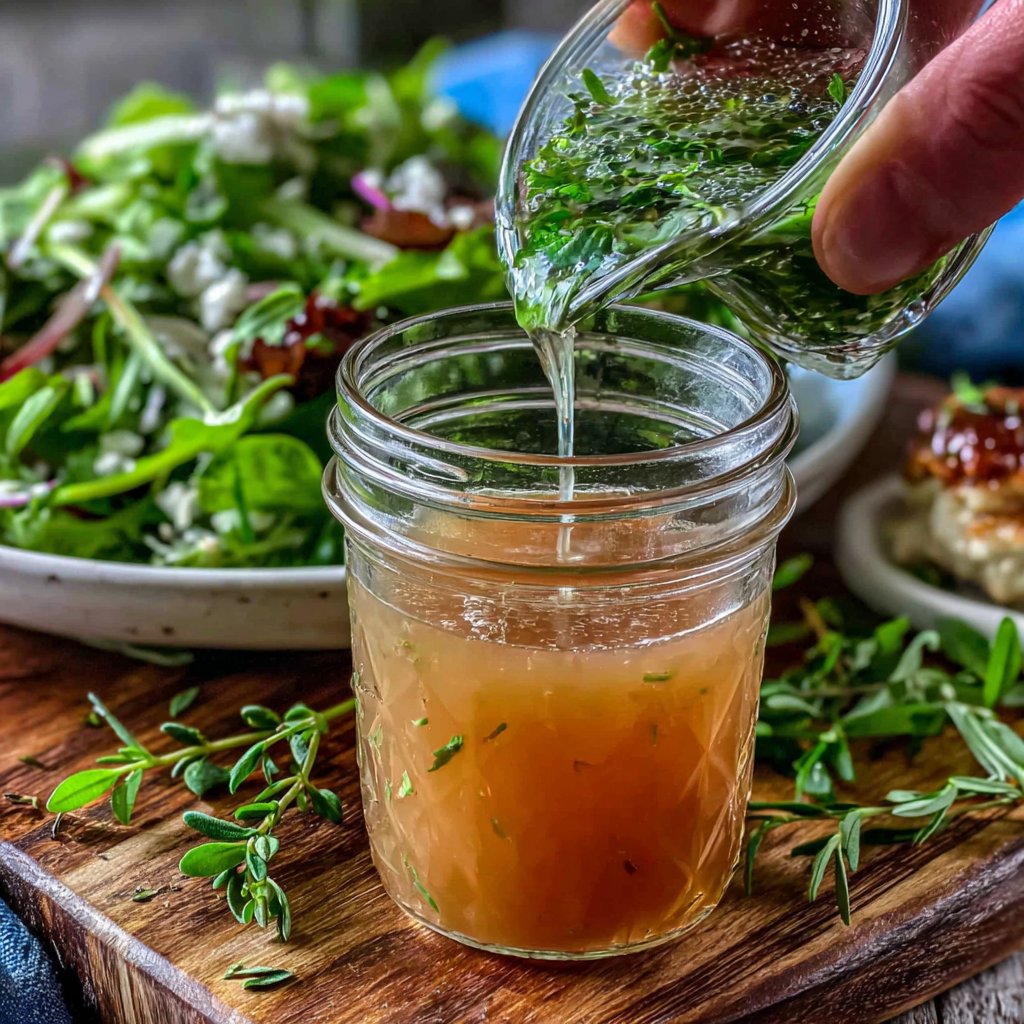
Season with salt and pepper to taste, adjusting flavors as desired. Transfer the vinaigrette to a jar or bottle and shake well before serving over your favorite salads.
Your homemade Lemon-Lavender Vinaigrette is ready to enjoy! Store any leftovers in the refrigerator for up to a week.
Pro Tips
- For an extra touch, try this vinaigrette on grilled vegetables or as a marinade for chicken.
Variations to Experiment With
Feel free to customize your vinaigrette! For a spicy kick, add a pinch of crushed red pepper flakes. You could also experiment with different sweeteners—maple syrup or agave nectar work beautifully in place of honey for a vegan version. Additionally, try incorporating different herbs such as thyme or basil for a unique herbal twist.
If you're looking for a different flavor profile, replace the lemon juice with a vinegar base, such as white wine vinegar or even grapefruit juice for a citrus explosion. This will shift the vinaigrette to a tangy-sweet taste, showcasing lavender’s versatility.
Troubleshooting Common Issues
If your vinaigrette is too thick or oily, adding a bit more lemon juice or a teaspoon of water can help thin it down to the desired consistency. Conversely, if it's too acidic for your liking, balancing it out with a touch more honey can round out the sharpness. It's all about finding the right equilibrium for your palate!
Another common concern is the floral intensity of the lavender. If you find the flavor too overwhelming, try reducing the amount of lavender used next time. Start with just 1/2 teaspoon of dried lavender, then increase it gradually as you perfect your taste balance. Remember, it’s always easier to add more than to take away!
Questions About Recipes
→ Can I use fresh lavender instead of dried?
Absolutely! If using fresh lavender, use about three times more as fresh herbs tend to be milder in flavor.
→ How long can I store this vinaigrette?
You can store it in the refrigerator for up to a week. Just give it a good shake before using.
→ What type of salads does this vinaigrette pair well with?
This vinaigrette is delicious on mixed greens, spinach salads, or even drizzled over fruit salads for an unexpected twist.
→ Is the honey necessary?
The honey balances the acidity of the lemon. If you're looking for a vegan option, you can substitute it with maple syrup.
Lemon-Lavender Vinaigrette
Created by: The Jamescookbook Team
Recipe Type: Veggie Meals
Skill Level: Easy
Final Quantity: 1 cup
What You'll Need
Lemon-Lavender Vinaigrette Ingredients
- 1/2 cup olive oil
- 1/4 cup fresh lemon juice
- 1 tablespoon honey
- 1 teaspoon dried culinary lavender
- Salt and pepper to taste
How-To Steps
In a small saucepan, gently heat the olive oil over low heat. Add the dried lavender and allow it to steep for about 5 minutes. This will infuse the oil with a lovely floral flavor.
Remove the oil from heat and let it cool slightly. Strain out the lavender using a fine mesh sieve before combining the infused oil with fresh lemon juice and honey in a bowl. Whisk well until everything is blended.
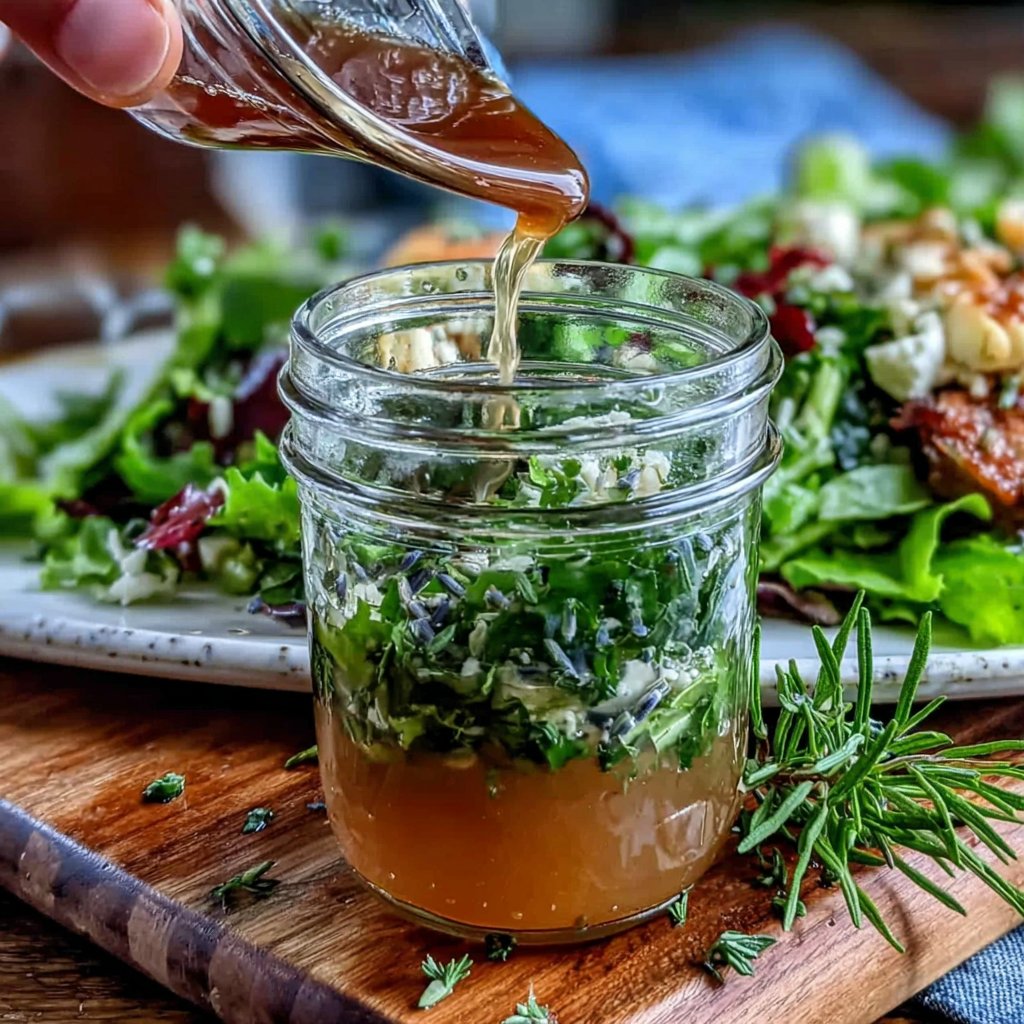
Season with salt and pepper to taste, adjusting flavors as desired. Transfer the vinaigrette to a jar or bottle and shake well before serving over your favorite salads.
Extra Tips
- For an extra touch, try this vinaigrette on grilled vegetables or as a marinade for chicken.
Nutritional Breakdown (Per Serving)
- Calories: 130 kcal
- Total Fat: 14g
- Saturated Fat: 2g
- Cholesterol: 0mg
- Sodium: 1mg
- Total Carbohydrates: 5g
- Dietary Fiber: 0g
- Sugars: 4g
- Protein: 0g